

If you want to prevent real estate deals from falling through, the “last minute” is not when you hustle harder, it is when your system either saves you or exposes you. Most deals do not die from one big disaster, they die from five small loose ends that nobody owned.
Want a website that makes you money? Book a strategy call with Midas Transaction Group now.
When agents feel like a deal “randomly” fell apart, it is usually because the timeline was never truly controlled. The easiest way to reduce fallout is to run every file like a mini project with deadlines, owners, and confirmations.
The National Association of REALTORS® reports that, recently, about 5% of contracts were terminated and 14% had delayed settlements in the prior three months. Those delays are not just annoying, they are where deals go to get shaky.
Here is a clean framework that keeps everyone moving:
Day 0 to 2: open escrow, deposit confirmation, file setup, calendar every deadline
Day 3 to 10: inspections ordered, access scheduled, repair negotiation prep
Day 10 to 20: appraisal ordered, lender conditions tracked, title progress check
Day 20 to close: clear to close checklist, CD timing, final walkthrough, doc chase
NAR’s Pending Home Sales methodology notes that over 80% of pending sales go to settlement within two months, with many of the rest closing in months 3 and 4. Translation: if you control the first two weeks, you control most of the game.

When a deal falls apart late, it usually lands in one of these buckets. Your goal is to spot them early, then manage them weekly.
The buyer was “preapproved” until underwriting got real.
Common triggers include job changes, new debt, document gaps, or a last-minute credit pull issue. (Yes, buying a new car right before closing is still a thing.)
A practical list of top causes of sales fallout includes financing, contingencies, inspection issues, and low appraisal.
TC move: Create a lender touchpoint cadence:
Weekly check-in until appraisal is complete
Twice-weekly check-ins after conditional approval
Confirm “clear to close” requirements in writing
Appraisal delays or value disputes are a classic “everything was fine until it wasn’t” moment. NAR’s confidence index has specifically tracked appraisal issues as a driver of delays.
TC move: Before appraisal day:
Confirm comps package sent
Confirm access details and occupant expectations
Prep buyer and seller for outcomes and options (gap coverage, renegotiation, reconsideration)
Most agents do not want to be the messenger for a surprise lien, and you should not have to be.
TC move: Put title on a schedule:
Title order confirmation within 24 hours
Mid-file title status check
Final week “everything cleared” confirmation
This is where deals get emotional. The buyer wants perfection, the seller wants fairness, and everyone wants it yesterday.
TC move: Run repairs like a micro-deal:
Set a repair response deadline
Confirm vendors, receipts, and access
Keep all agreements in a single clean thread, not scattered texts
This is the silent killer, especially when you are juggling showings, lead follow-up, and a life.
TC move: Use a “signature sprint” approach:
Same-day signature requests
Two reminders max, then a phone call
Confirm receipt and upload immediately
One person thinks closing is Friday, another thinks it is Monday, and the lender is waiting on something “small.”
TC move: A final-week checklist that is non-negotiable:
Closing Disclosure timing confirmed
Utilities, HOA, and insurance verified
Final walkthrough scheduled
Wire instructions verified with title
All parties receive a 1-page closing plan
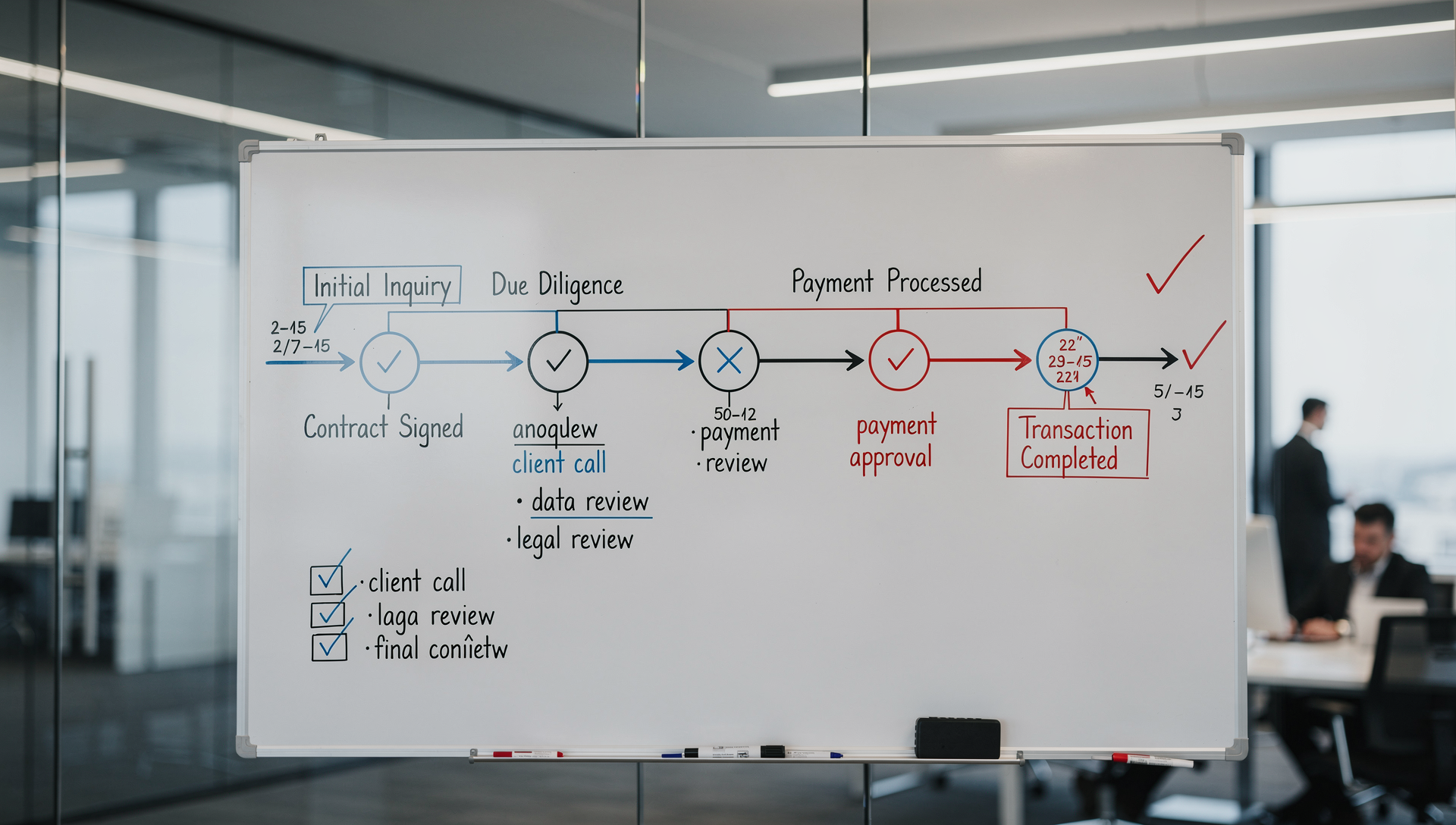
Here are a few “this should not have happened” moments that a strong transaction coordinator stops before they get oxygen.
Buyer casually mentions they switched roles “for better work life balance” and underwriting pauses the file.
A TC catches this early by asking the lender weekly: any employment verification issues pending?
Seller agrees to repairs, but the vendor schedule slips and nobody updates the buyer.
A TC keeps the repair timeline visible and gets written proof uploaded so the buyer stays calm.
A payoff statement is missing, and the closing gets pushed, which increases cancellation risk.
A TC requests payoff docs early and confirms clearance before the final week.
Even strong agents lose deals because the market has more friction than it used to. In some periods, cancellations have surged.
One recent Redfin-based report found that 16.3% of homes that went under contract were canceled in December, the highest December rate in records dating back to 2017.
You cannot charm underwriting. You cannot out-hustle a missing payoff statement. You need a repeatable process that protects your commission.
At Midas Transaction Group, we act like your behind-the-scenes closer.
You get:
Deadline tracking so nothing quietly expires
Lender and title coordination so problems surface early
Document management so your file is always clean
Client communication support so buyers and sellers stay confident
A calm system so you can focus on listings and lead gen
If your goal this year is more closings with less chaos, the fastest path is simple: prevent real estate deals from falling through by putting a professional process behind every contract.
Book a free strategy call with Midas Transaction Group and we will show you exactly how we run your files so you close more, faster.