
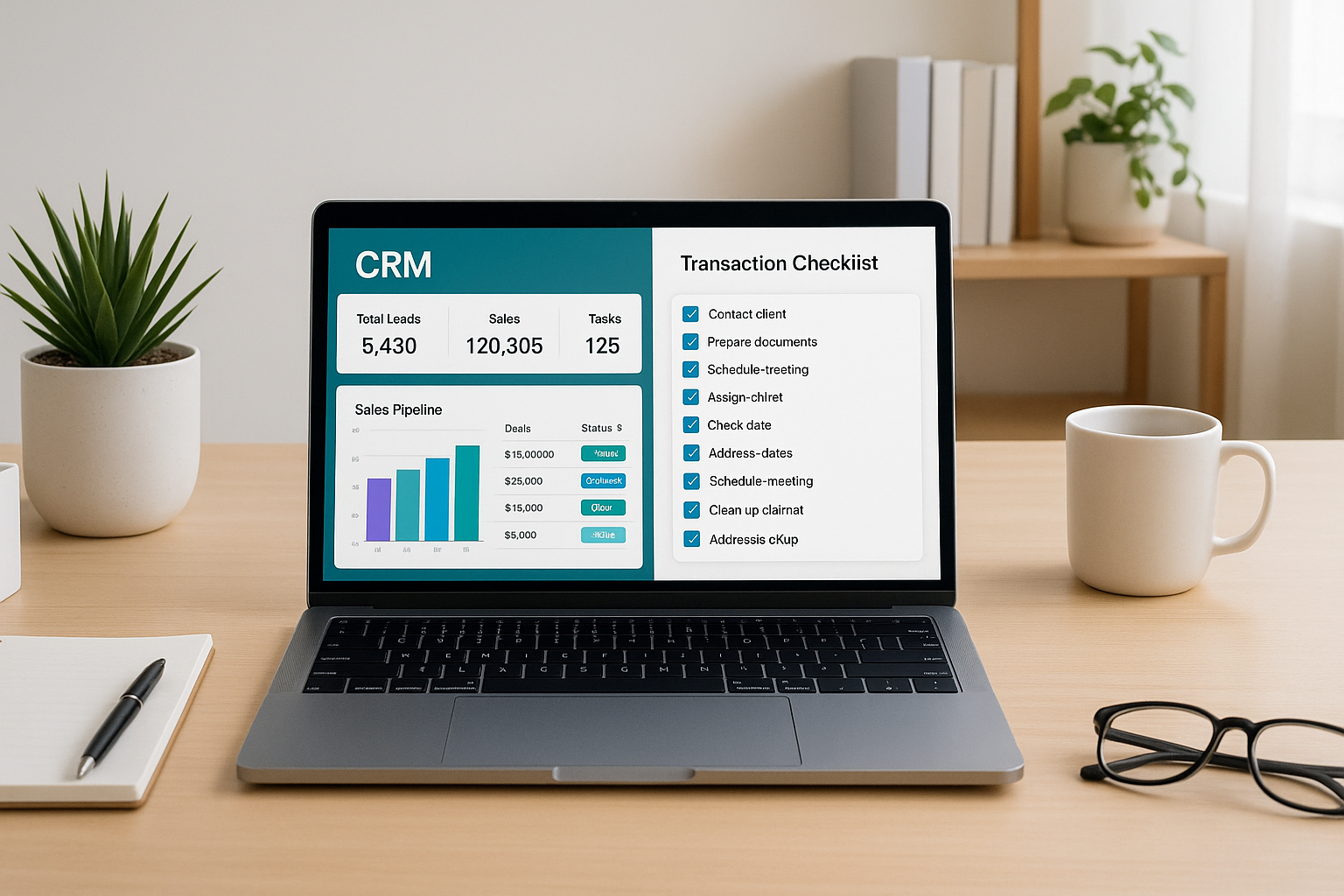
5 Transaction Coordinator CRM Integration Wins for Realtors
Transaction coordinator crm integration is one of those behind-the-scenes upgrades that can quietly transform your real estate business. When your CRM and your transaction coordinator work in sync, leads move faster, client communication gets cleaner, deadlines stop slipping through the cracks, and you get more time to do what actually grows your business, which is signing clients and closing homes.
Want a website that makes you money? Book a strategy call with Midas Transaction Group now.
Why transaction coordinator crm integration matters for closings
Most realtors do not lose deals because they are bad at sales. They lose momentum because the handoff between signed contract and closed transaction gets messy. Notes live in one app, documents in another, deadlines in someone’s head, and the client is stuck wondering who is doing what.
That is where a smart transaction coordinator crm integration setup changes everything. Your CRM becomes the source of truth for client data, and your transaction coordinator becomes the operator who keeps every file moving with precision.
According to the National Association of Realtors, the typical Realtor handles multiple transactions, marketing tasks, and client conversations at once. Add in inspections, title updates, lender follow-ups, and compliance deadlines, and it is easy to see why systems matter. A connected workflow reduces errors, shortens response times, and creates a better client experience.
If your backend still feels like controlled chaos with a cute logo, it is time for an upgrade.
What a great CRM and TC workflow actually looks like
For most agents, the goal is not more software. The goal is less friction. A great setup makes it easy for your transaction coordinator to step in the moment a deal goes under contract and know exactly what to do next.
At a minimum, your CRM should share the right information with your TC so they can manage the file without chasing you for basic details.
Key information your CRM should capture before handoff
- Client names and contact details
- Property address and MLS details
- Contract dates and contingency deadlines
- Lender, title, attorney, and co-op agent information
- Special notes about the client’s communication preferences
- Uploaded agreements and disclosures
When this information is organized and accessible, your transaction coordinator can immediately begin timeline management, compliance tracking, and communication follow-up.
If you are still building the right operational foundation, start with The Systems Every Transaction Coordinator Should Have in Place. It is a solid roadmap for creating less stress and more consistency.
5 ways transaction coordinator crm integration helps you close more deals
1. Faster handoffs mean fewer dropped balls
When a deal changes from active lead to pending transaction inside your CRM, your TC should be able to jump in right away. That can trigger a checklist, create tasks, assign deadlines, and notify all parties without twenty text messages and a voice memo sent from your car.
For example, imagine a buyer agent in Phoenix gets a contract signed at 8:30 p.m. Instead of emailing scattered details the next morning, the CRM automatically updates the transaction pipeline. The TC logs in, sees the file, sends the welcome email, confirms earnest money deadlines, and requests missing disclosures before breakfast.
That speed creates confidence for clients and keeps the deal from stalling in the first 24 hours.
2. Better client communication without more work for you
Buyers and sellers want updates. They do not necessarily need twenty updates a day, but they do want to know someone is on top of things. An integrated workflow helps your TC send timely check-ins based on transaction stage, not guesswork.
This can include:
- Introduction emails after mutual acceptance
- Inspection and appraisal reminders
- Document request follow-ups
- Closing preparation updates
That consistency improves client satisfaction and referral potential. If you want to tighten this process even more, Collaboration Tips for Agents Working Closely with a Transaction Coordinator is a smart next read.
3. Cleaner compliance and document management
Every brokerage has paperwork rules. Every state has timelines. And every agent has had at least one moment of asking, “Wait, did we send that?”
A strong CRM-to-TC workflow helps reduce that panic. Your transaction coordinator can track what has been received, what is missing, and what needs to be submitted to the brokerage. That means fewer compliance issues and fewer late-night scrambles.
This is where repeatable tools make a huge difference. Resources like Transaction Coordinator Templates That Save Hours Every Week and Build a Transaction Coordinator Checklist That Closes Deals Every Time can turn a good process into a reliable one.
4. More visibility for you, your team, and your clients
One of the biggest benefits of integration is clarity. You should be able to open your CRM and instantly see where each file stands. Your TC should be able to update milestones, log communication, and flag issues before they become emergencies.
This is especially valuable for team leaders and producing brokers. Instead of wondering whether the inspection was scheduled or whether title has sent the commitment, you can check the record and keep moving.
If you are evaluating tools to support this, take a look at The Best Transaction Coordinator Software for Busy Real Estate Agents. The right tech stack does not need to be fancy. It needs to be useful.
5. A smoother client experience leads to more referrals
Here is the part many agents underestimate. Most clients cannot judge your negotiation strategy in technical detail, but they absolutely notice responsiveness, organization, and follow-through.
When your CRM and transaction coordinator workflow are aligned, clients feel taken care of. They receive timely updates, know what comes next, and feel like your business has its act together. That translates into better reviews, more referrals, and more repeat business.
In plain English, people refer the agent who made the process feel easy.
How to set up transaction coordinator crm integration without making it complicated
You do not need a giant tech overhaul to make this work. In most cases, you need a simple handoff process, the right fields in your CRM, and a transaction coordinator who knows how to run point.
A simple setup plan for busy realtors
- Choose your handoff trigger. Usually this is when a contract is signed or when status changes to pending.
- Standardize your CRM fields. Make sure each file includes the same required data before the TC takes over.
- Create a transaction checklist. This should cover milestones, deadlines, compliance, and communication touchpoints.
- Define roles clearly. Decide what you handle, what your TC handles, and when issues get escalated.
- Review and refine monthly. If something keeps getting missed, the system needs adjustment.
If you are bringing on support for the first time, How to Onboard a Transaction Coordinator So They Hit the Ground Running is a helpful resource. And if you want the relationship to be productive from day one, read How to Build a Working Relationship with Your TC That Actually Works.
Real-world signs you need help now
If any of these sound familiar, your business is probably ready for a better CRM and TC workflow:
- You are retyping the same client information in multiple places
- Your TC has to ask you for basic file details after every contract
- Clients are chasing updates instead of receiving them automatically
- You miss deadlines because the process lives in your inbox
- You are too busy managing files to focus on lead generation
That last one is the money leak. Every hour you spend untangling admin work is an hour you are not prospecting, showing homes, or nurturing referral relationships.
Why this matters for growth-minded agents
Realtors who close more deals usually are not working harder forever. They are building systems that let them scale without sacrificing service. A clean transaction coordinator crm integration process helps you deliver a polished experience while protecting your time.
Whether you are a solo agent trying to get your evenings back or a team leader trying to support higher volume, this is one of the most practical upgrades you can make. It is not just about staying organized. It is about making more money through smoother operations, stronger reviews, and more repeat business.
Conclusion: make transaction coordinator crm integration your next smart move
If you want more closings, better client communication, and less chaos between contract and close, transaction coordinator crm integration should be high on your priority list. The right setup helps your CRM do what it is supposed to do, and it helps your transaction coordinator keep every file moving with confidence.
Midas Transaction Group helps realtors create efficient, profitable workflows that support growth instead of slowing it down. Book a free strategy call with Midas Transaction Group today and let’s build a transaction process that wins you more time, more referrals, and more closings.