
5 Ways a Transaction Coordinator for Remote Closings Wins
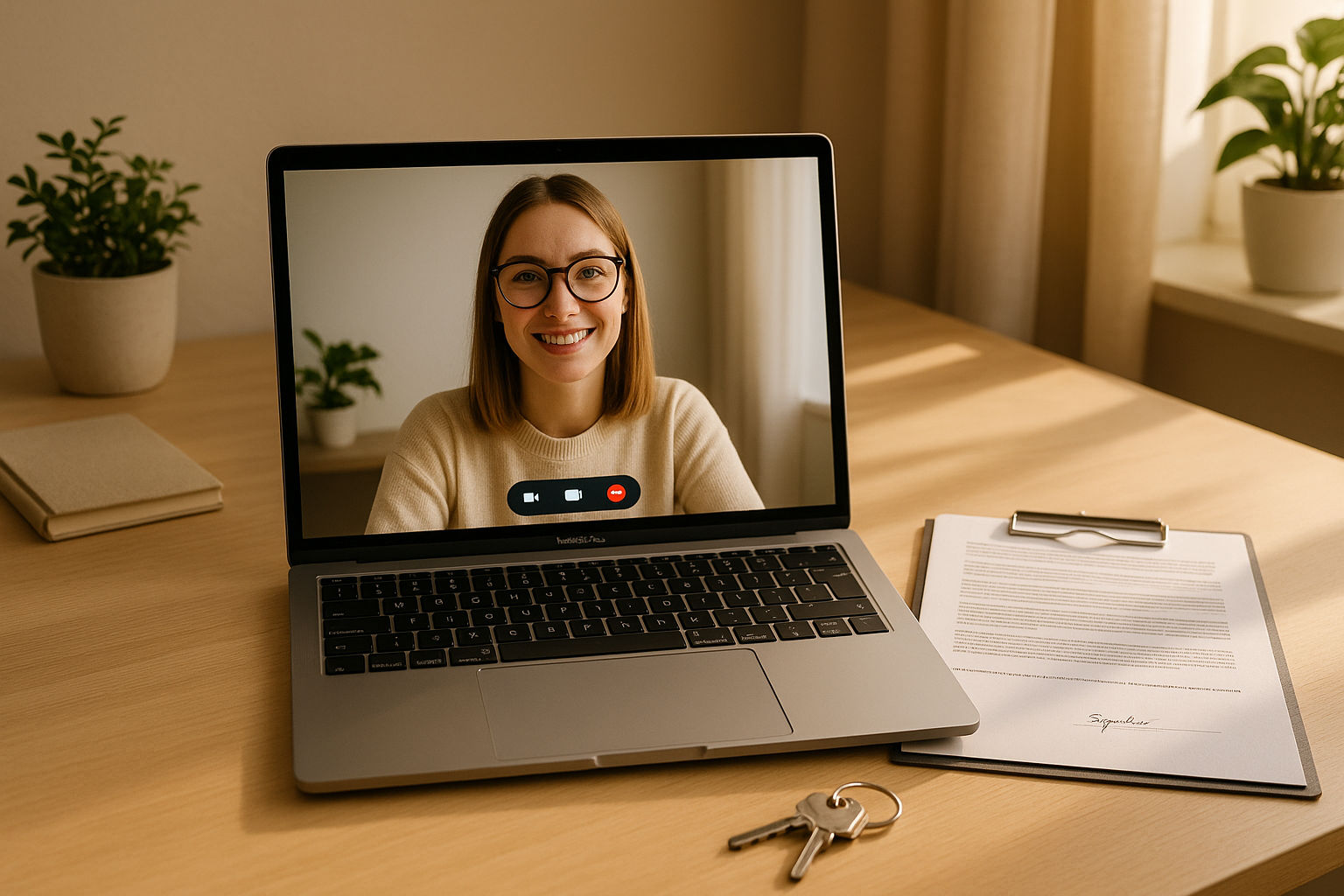
If you are closing more deals across cities, states, or time zones, a transaction coordinator for remote closings can be the difference between a smooth payday and a paperwork migraine. Remote closings are convenient for clients, but for Realtors they often add more moving parts, more deadlines, and more chances for something small to blow up at the worst possible moment.
Want a website that makes you money? Book a strategy call with Midas Transaction Group now.
Why a transaction coordinator for remote closings matters more than ever
Remote closings are no longer a niche convenience. They are now part of everyday real estate in the United States, especially with relocating buyers, out-of-state investors, military families, snowbirds, and busy professionals who would rather sign from a laptop than drive across town in the middle of a workday.
According to the National Association of Realtors, technology use in real estate continues to shape how buyers and sellers communicate, review documents, and complete transactions. Add in the growth of e-signatures, remote online notarization in many states, and digital document portals, and one thing becomes obvious: the transaction got easier for the client, but not necessarily for the agent.
That is where a skilled transaction coordinator steps in. Your TC keeps the file moving, verifies deadlines, communicates with all parties, and helps prevent the tiny mistakes that delay funding. In other words, they become the calm, checklist-loving wizard behind the curtain.
What remote closings actually require from a Realtor
On paper, a remote closing sounds simple. Send docs. Get signatures. Celebrate. In real life, it usually looks more like twenty browser tabs, three follow-up calls, one lender update, and a buyer asking, “Wait, where do I sign again?”
Remote closings require precision because you are managing people, documents, and compliance without everyone sitting at the same table. That means more coordination, not less.
Common moving parts in a remote closing
- E-signature timelines for disclosures, addenda, and amendments
- Inspection and appraisal scheduling with limited in-person overlap
- Lender communication to track loan conditions and clear-to-close status
- Title and escrow coordination for wiring instructions and signing logistics
- State-specific notarization rules and remote online notarization requirements
- Document accuracy checks before signing and funding
Each of those items seems manageable by itself. Together, they can eat your week alive.
5 ways a transaction coordinator helps remote closings close faster
1. They keep every deadline visible and under control
Missed deadlines are one of the fastest ways to create stress, lose trust, or trigger contract problems. A transaction coordinator tracks critical dates from contract to close and follows up before something becomes urgent.
That includes earnest money deadlines, inspection response timelines, appraisal milestones, financing contingencies, title review, and final signing dates. You should not have to remember all of that in your head while also prospecting and showing homes.
2. They reduce email chaos and communication gaps
Remote closings can create a weird communication triangle, or square, or octagon. Buyers, sellers, title, lenders, agents, admins, and inspectors are often in different places and moving on different schedules.
A TC centralizes communication so people get the information they need when they need it. Fewer dropped balls. Fewer “just circling back” emails. Fewer moments where everyone assumes someone else handled it.
3. They catch paperwork issues before closing day
One wrong signature line or missing initial can delay a remote closing, especially when notarization or lender approval is involved. A strong TC reviews the file for completeness and flags errors early.
This is especially helpful when working both sides of the transaction. If that is part of your business, you may also like Transaction Coordination on the Buyer Side: What Agents Need to Know and Transaction Coordination on the Seller Side: A Guide for Listing Agents.
4. They create a better client experience
Clients love convenience, but they do not love confusion. A transaction coordinator helps buyers and sellers understand the next step, the timing, and what to expect during a remote closing.
That kind of steady communication matters. A 2023 Zillow consumer housing trends report found that buyers value responsive communication and clear guidance throughout the process. Translation: the smoother the experience feels, the more likely your clients are to refer you.
5. They give you your time back to get more closings
This is the part most Realtors care about, and rightly so. Every hour you spend chasing signatures or checking whether title sent the latest update is an hour you are not spending lead generating, negotiating, or meeting new clients.
When a TC owns the transaction workflow, you get to stay in your highest-value role. If your business is growing fast, check out How High-Volume Teams Use Transaction Coordinators to Stay Sane for a look at how top-producing teams protect their time.
Real-world remote closing scenarios Realtors know all too well
The relocating buyer with a packed calendar
Your buyer is moving from Illinois to Florida for a new job. They are trying to lock in movers, start work, and sign loan docs from a hotel lobby with unreliable Wi-Fi. A transaction coordinator keeps the file on track, confirms deadlines, coordinates with title, and helps the client know exactly what must happen and when.
The out-of-state investor who wants speed
Investors buying remotely care about efficiency and accuracy. They do not want surprises, and they definitely do not want delays tied to missing forms. For these deals, a TC can be invaluable. If this is your niche, read Transaction Coordinators for Investor Flips: What You Need to Know.
The new construction deal with endless updates
Remote closings on new builds often involve lender timing, builder paperwork, change orders, walkthrough coordination, and shifting completion dates. That is a lot of admin friction for one agent to manage alone. Our post on How Transaction Coordinators Handle New Construction Deals breaks down why support matters so much here.
The FSBO transaction with extra hand-holding
When one side is For Sale By Owner, things can get interesting very quickly. Remote closings add another layer because the unrepresented side may not know the process or the paperwork rhythm. A TC helps keep communication organized and the transaction moving. For more on that, see How Transaction Coordinators Support For Sale By Owner Deals.
How to know if you need a transaction coordinator for remote closings
You probably need support if any of these sound familiar:
- You are closing deals in multiple markets or time zones
- You regularly work with relocating buyers or out-of-state clients
- You feel buried in compliance tasks after a contract goes active
- You lose prospecting time because you are babysitting paperwork
- You want to scale without hiring a full in-house staff member
If you nodded at even two of those, your business may be ready for a more streamlined transaction system.
What to look for in a great transaction coordinator
Not all transaction coordination is created equal. For remote closings, you want someone who is proactive, organized, responsive, and deeply familiar with how real estate deals actually move from contract to funding.
- Clear communication with agents, clients, lenders, and title
- Deadline management with consistent follow-up
- Document review habits that catch errors early
- Process discipline without making things feel robotic
- Adaptability for different transaction types and markets
If your pipeline includes more complex files, specialized support matters even more. You might also find value in Managing Multi-Family Transactions with a Transaction Coordinator and Managing REO Deals Smoothly with a Transaction Coordinator.
The bottom line for busy Realtors
Remote closings are here to stay, and clients expect them to feel easy. The challenge is that “easy” for the client usually means “more coordination” for the Realtor behind the scenes.
A reliable transaction coordinator for remote closings helps you protect your time, reduce avoidable errors, create a better client experience, and close more deals without burning out. That is not just admin help. That is business leverage.
If you are ready to simplify your pipeline and create more room for revenue-producing work, book a free strategy call with Midas Transaction Group today. Let’s build a closing process that actually supports your growth.